

Are Automated Welding Machines Worth It?
2026. 05. 25
Manufacturers across fabrication environments continue looking for ways to improve weld consistency while managing labor availability and production speed. That is why many teams now evaluate automated welding solutions as part of their modernization plans. A robotic welder can stabilize output, reduce variation between operators, and support predictable weld quality across repeated production runs.
Automatic welding machines help maintain steady torch movement and repeatable arc behavior. This allows your production team to focus on inspection, setup, and workflow coordination instead of repeating identical weld passes throughout each shift.
What Are Automated Welding Machines Used For?
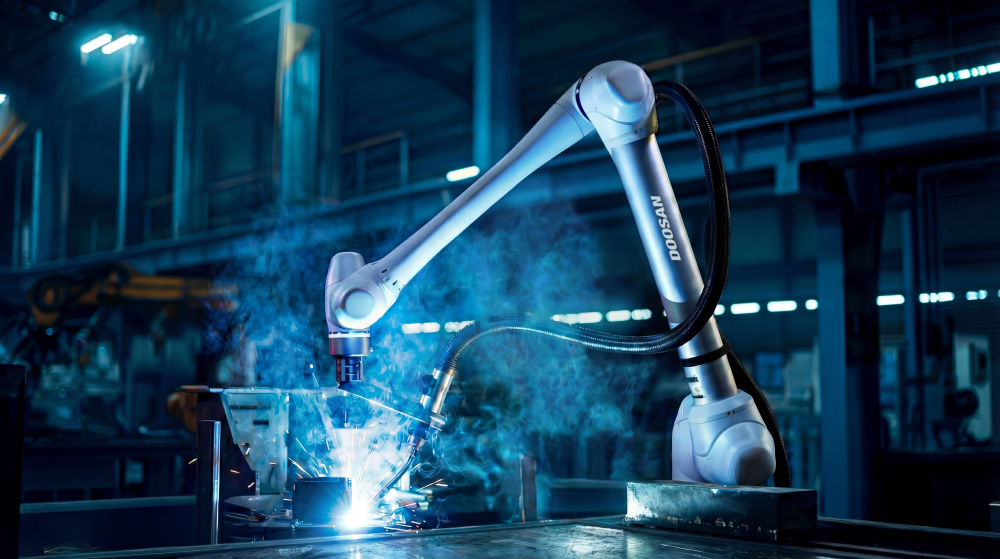
Automatic welding machines perform repeatable weld operations across production environments where consistency directly affects inspection performance. A robotic arm welding system can support enclosure fabrication, structural components, brackets, and equipment frames that require stable weld geometry. Many manufacturers introduce a collaborative robotic welder when manual welding variation begins affecting throughput or quality targets. Collaborative robotics arc welding systems help maintain consistent penetration depth and weld appearance across batches produced by multiple operators while allowing safe interaction alongside production teams. These welding robotic arm systems are especially effective when parts follow repeatable joint paths across multiple production cycles.
How Does a Welding Robot Improve Metalworking ROI?
A welding robotic arm improves metalworking ROI by increasing arc time efficiency and reducing rejected parts caused by weld variation. When weld motion becomes predictable, inspection performance improves, and fewer assemblies require correction.
Automation also allows operators to prepare the next component while the robotic arm of the welder performs weld passes. This improves throughput without increasing floor space requirements. Many teams working in metalworking environments begin automation with repeatable weld cells where productivity gains appear quickly.
Why Global Manufacturers Are Expanding Welding Automation
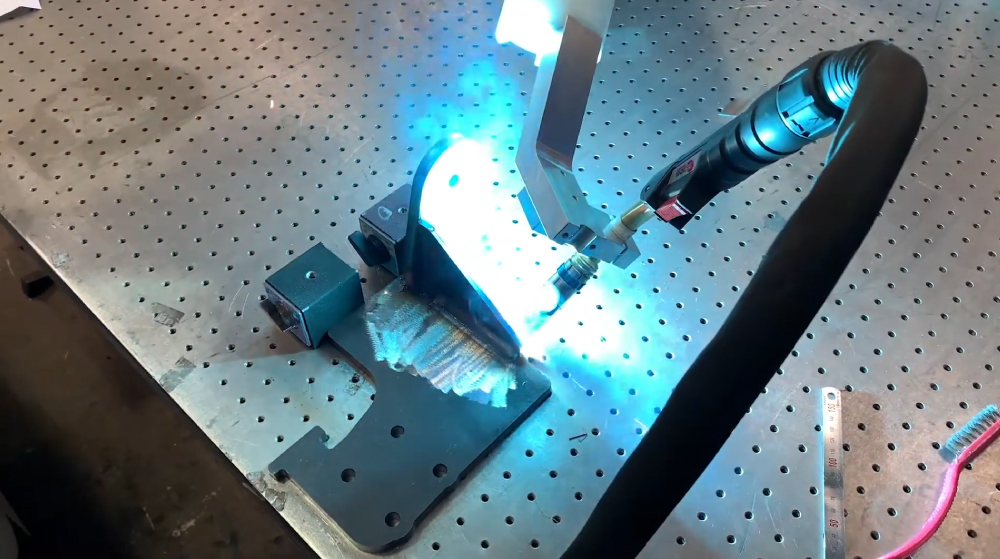
Manufacturers worldwide continue increasing adoption of welding automatic systems as automation becomes easier to integrate into existing fabrication layouts. Global factories now operate over 4.28 million industrial robots worldwide, reflecting steady expansion of automation across smart production environments.
Vehicle production continues leading robotics arc welding adoption globally. The automotive sector remains the largest user of collaborative automation technologies according to global automotive robot usage reporting, which highlights how cobots support consistent high-volume assembly operations while working alongside production teams.
These trends show why automated welding solutions continue gaining traction across fabrication workflows.
Where Robotic Welding Delivers The Most Value
Automated welding produces strong productivity improvements when production includes repeatable weld paths and predictable part positioning. In these environments, a welding robotic arm maintains stable motion across long weld sequences with minimal variation.
Manufacturers frequently deploy robotic welding in areas like:
· enclosure fabrication
· structural frame production
· repeatable bracket manufacturing
· machine base assemblies
· vehicle component welding
These applications allow welding cobots to support stable scheduling across production shifts.
How Collaborative Robots Support Flexible Welding Cells
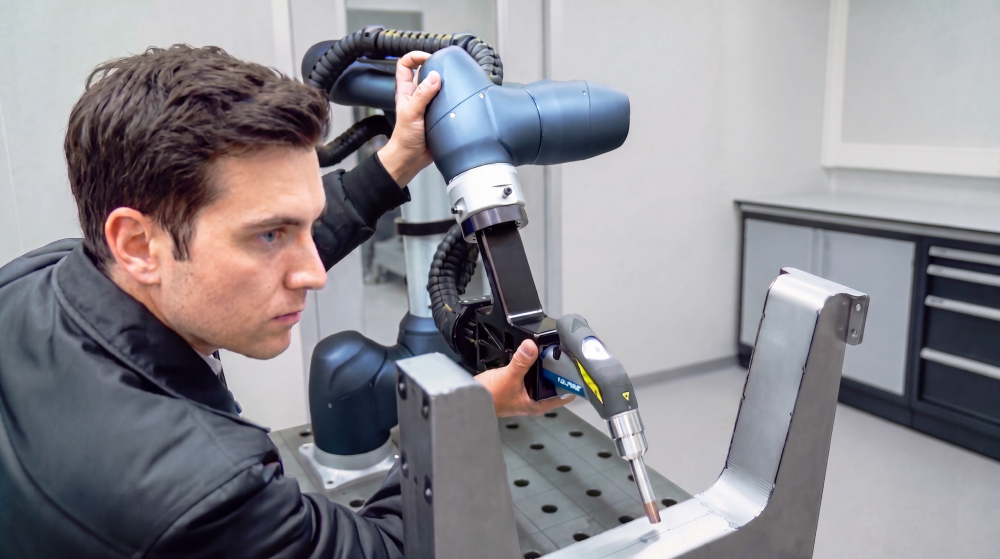
Collaborative automation allows robotic arm welding systems to operate closer to operators than traditional fenced robot cells. This makes automation easier to introduce inside existing layouts where floor space adjustments must remain limited.
Many production teams deploy a Doosan cobot for flexible welding automation that supports operator interaction during loading and inspection steps. Collaborative platforms continue expanding adoption across several industries where adaptable production workflows improve automation readiness.
Fabrication teams working in metalworking operations often introduce collaborative welding automation first because repeatable weld seams benefit quickly from consistent motion control.
Vehicle component manufacturers across the global automotive sector also rely on robotic welding to stabilize weld quality across large production volumes.
How Robotic Welding Improves Quality And Consistency
Manual welding results often vary between operators and shifts. Robotics arc welding improves repeatability by maintaining steady torch speed and angle across each weld cycle. This helps stabilize penetration depth and improves weld appearance across batches.
Because a robotic welder follows programmed motion precisely, inspection teams often see fewer rejected assemblies after welding cobots are introduced into repeatable fabrication environments.
Many engineering teams evaluating automation also explore how collaborative platforms can harness the power of cobots to improve welding flexibility while maintaining consistent weld quality across production shifts.
How To Decide If Automated Welding Machines Are Worth The Investment
Automatic welding machines deliver strong value when production includes repeated weld geometry and predictable throughput requirements. If your team spends time correcting weld variation or adjusting output between shifts, robotic welding can improve workflow stability quickly.
A welding robotic arm also helps reduce operator fatigue while supporting repeatable torch positioning across long production runs. These improvements often translate into stronger inspection performance and more predictable fabrication scheduling.
Why Automated Welding Machines Support Long-Term Fabrication Growth
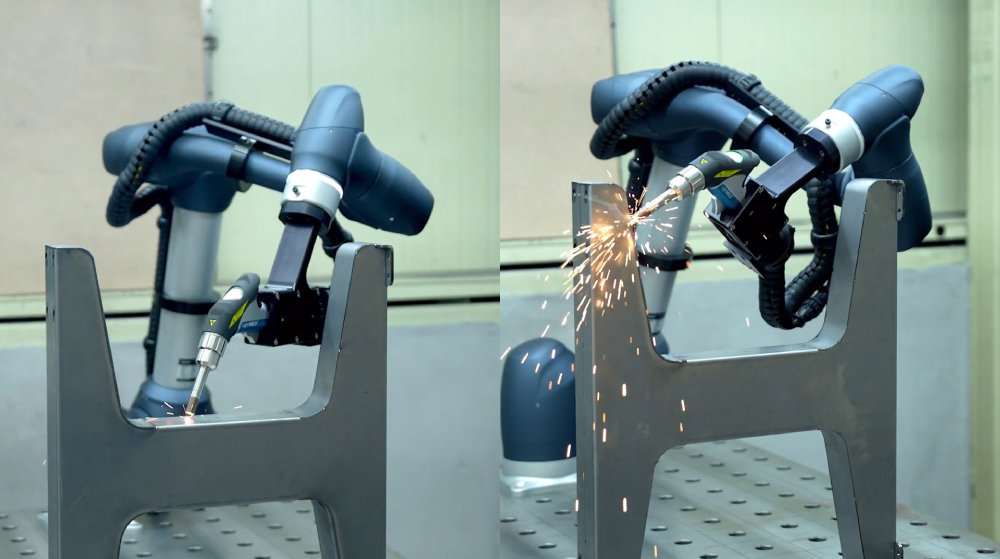
Automated welding solutions help stabilize throughput, improve weld repeatability, and support consistent inspection results across fabrication environments. When robotic welding aligns with your production goals and expansion plans, automation becomes a practical step toward stronger operational performance, and you can
Contact us today to speak with one of our welding automation specialists.
FAQs
Can A Robotic Welder Improve Operator Safety?
Yes. A robotic welder reduces direct operator exposure to arc light and heat during repeated weld sequences. This helps improve working conditions while allowing operators to supervise multiple automation steps across the welding cell.
How Much Training Is Needed To Use Robotic Welding Systems?
Most collaborative welding platforms include user-friendly programming tools that allow operators to learn basic motion setup quickly. Additional training improves optimization performance and helps teams expand automation into additional weld applications over time.
Do Automated Welding Solutions Fit Smaller Fabrication Shops?
Yes. Many automatic welding machines support compact workstation layouts that allow smaller fabrication environments to introduce robotics arc welding without redesigning entire production areas.
Can Welding Cobots Support Mixed Production Runs?
Welding Cobots can support mixed production workflows when fixtures allow repeatable positioning. Collaborative systems make it easier to adjust programming between part variations while maintaining consistent weld performance.
