

How To Choose A Robotic Arm Manufacturer
2026. 05. 11
Automation is changing how factories operate across assembly, packaging, inspection, and logistics environments. Choosing the right robotic arm manufacturer affects how quickly your system launches and how easily your automation program grows later. The best partner supports your team during planning, installation, and expansion across future production workflows.
Many buyers begin by comparing payload and reach. Those are important factors, but they are only part of the decision. A strong robotics supplier should also support integration readiness, operator training, safety planning, and long-term scalability across your facility.
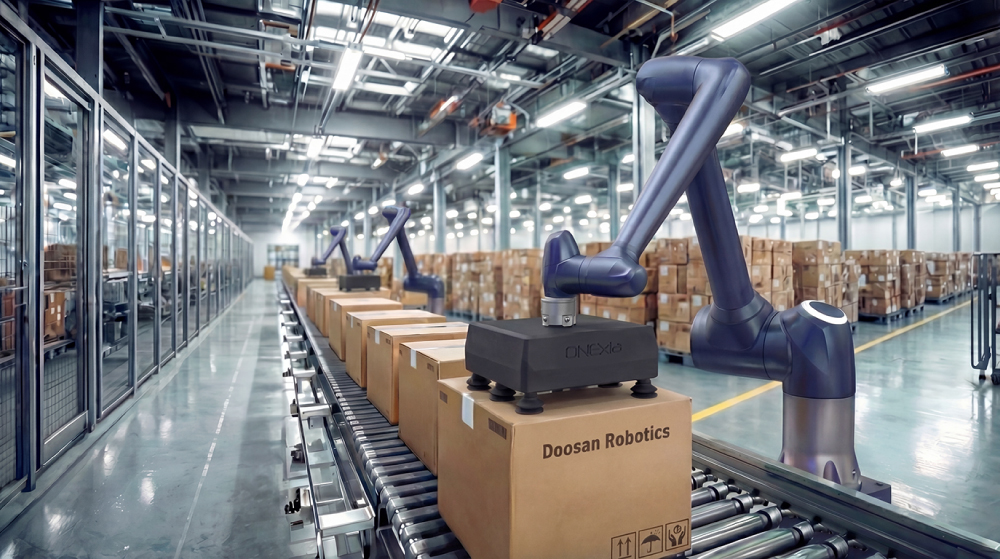
The Manufacturer Matters As Much As The Robot
A robotic arm becomes part of your daily production process. That means reliability, service access, and software compatibility all influence performance over time.
Experienced teams often compare several industrial robot manufacturers before selecting a partner that aligns with their workflow and engineering expectations. A strong automation system manufacturer helps reduce deployment
risk and improves confidence during rollout across multiple applications.
When your manufacturer understands production realities inside your facility, automation adoption becomes faster and more predictable.
Start With Your Real Production Requirements
Before choosing a robot arm company, define what the robot must do inside your plant. Assembly applications require different motion control than palletizing. Inspection tasks require different sensing capabilities than packaging.
Matching robot specifications to your application helps avoid unnecessary costs and prevents performance limits later. This approach also improves programming efficiency because your engineering team starts with a system built for the correct workload.
Many robotics manufacturers follow a similar evaluation approach when scaling automation across multiple facilities, regardless of region or deployment location.
What To Evaluate When Comparing Robotic Arm Manufacturers
Use this checklist when comparing each robotics supplier:
· Payload capacity for your task
· Reach that matches the workspace layout
· Safety features for shared operator environments
· Programming simplicity for engineering teams
· Local service availability
· Ability to expand automation later
When narrowing down options, reviewing a detailed robotics comparison tool like Doosan’s product comparison page can also help you evaluate specific models side by side.
This evaluation method helps you compare both a collaborative robotics company and a traditional industrial robot manufacturer with more clarity.

How To Choose a Robotic Arm
Start by matching the robot to your production goals. Review part weight, cycle time expectations, floor space limits, and operator interaction requirements.
Then evaluate integration readiness. Many automation delays happen because layout planning or tooling selection started too late. A robotics supplier that supports engineering planning early helps your project move faster from concept to production.
Robotic arm manufacturers that support full deployment workflows usually help reduce startup delays and improve return on investment across automation programs.
Integration Support Determines Deployment Speed
A robotic arm is only one component of a full automation cell. Grippers, conveyors, sensors, vision systems, and safety planning all influence performance after installation.
Manufacturers that support system-level planning help engineering teams launch faster and scale automation more easily. This matters even more if your organization plans to expand robotics across multiple production lines later.
Choosing robots manufacturers that support structured rollout planning improves long term productivity across departments.
What Are the 4 D’s of Robotics?
The 4 D’s of robotics build on a long-standing automation concept: the types of tasks that are often best suited for robots. Traditionally, the industry has referred to the 3 D’s of robotics: Dull, Dirty, and Dangerous. As cost pressures, labor shortages, and process complexity have grown, a fourth D is sometimes added: Difficult or Dear, meaning expensive.
The 4 D’s can include:
· Dull:Repetitive tasks that require consistency over long periods, such as machine tending, packaging, palletizing, or inspection.
· Dirty:Tasks performed in messy, harsh, or uncomfortable environments, including processes involving dust, debris, heat, chemicals, or difficult cleanup.
· Dangerous:Tasks that may expose workers to safety risks, such as heavy lifting, sharp tools, hazardous materials, high temperatures, or repetitive strain injuries.
· Difficult or Dear:Tasks that are challenging to perform manually, hard to staff, technically complex, or costly due to labor, downtime, waste, or inefficiency.
For manufacturers, the 4 D’s can be a practical starting point for identifying where robots may deliver the greatest value. If a task is repetitive, unpleasant, unsafe, physically demanding, difficult to staff, or expensive to maintain manually, it may be worth evaluating for automation.
While Dull, Dirty, and Dangerous remain the most widely recognized framework, the fourth D helps reflect today’s manufacturing realities. Automation is no longer only about removing people from undesirable tasks. It is also about improving consistency, reducing operational costs, addressing labor gaps, and helping teams work more efficiently.
By using the 4 D’s as a guide, manufacturers can prioritize automation opportunities that improve safety, productivity, quality, and long-term scalability.
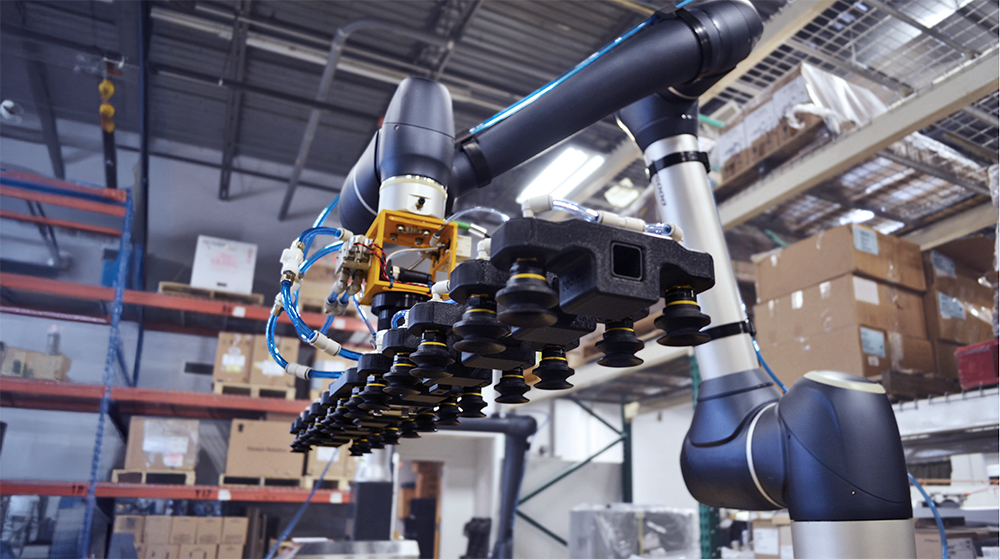
What Is the Best Robot Arm In 2026?
There is no single best robot arm in 2026 because system performance depends on your production goals. Payload expectations, workspace layout, and staffing structure all influence selection decisions. Global automation
adoption continues to expand, with factories operating over 4.28 million industrial robots worldwide, reflecting steady growth across smart manufacturing programs in multiple regions. This ongoing expansion shows why manufacturers increasingly evaluate both flexibility and long-term scalability when selecting a robotics platform.
These trends explain why organizations compare both collaborative robotics company platforms and traditional industrial robot manufacturers before selecting a long term automation partner.
Why Doosan Robotics?
At Doosan Robotics, we work directly with manufacturers to match collaborative automation systems to real production needs across assembly, packaging, inspection, palletizing, and machine tending environments. We have
been recognized among the top 10 industrial robot manufacturers supporting flexible automation across modern production operations.
Many organizations choose a Doosan cobot when they want safe collaboration, strong payload performance, and intuitive programming that fits quickly into existing workflows.
We support customers across many industries so collaborative automation can scale across multiple departments inside the same facility without forcing platform changes later.
We designed the Doosan robotics product line up to allow manufacturers to match payload range, reach, and workspace flexibility to real production environments without changing platforms as automation expands.
Contact us today to submit a product inquiry and discuss your robotics deployment goals.
FAQs
How To Choose A Robotic Arm?
Choose a robotic arm by matching payload capacity, reach, safety features, and programming tools to your production requirements. Integration support from robotic arm manufacturers also improves deployment speed and helps
your automation program expand across additional workflows later.
What Is The Best Robot Arm In 2026?
The best robot arm depends on your workflow needs, operator interaction level, and workspace layout. Most manufacturers select systems that balance safety, flexibility, payload range, and long term service support.
How Do You Compare Robotic Arm Manufacturers?
Compare robotic arm manufacturers by reviewing payload range, safety features, programming simplicity, integration support, and service availability. Many buyers also evaluate how easily a robotics supplier supports expansion across multiple automation cells inside the same facility.
What Should You Look For In A Collaborative Robotics Company?
Look for safety certified collaborative operation, flexible deployment options, intuitive programming tools, and strong application support. A collaborative robotics company that supports integration planning usually helps reduce startup time and improves long term automation scalability.
