

How Does a Welding Robot Improve Metalworking ROI?
2026. 03. 30
If you run a metalworking operation, part cost, throughput, scrap, and labor efficiency are critical factors. A well-planned welding robot improves those metrics. As a way to leverage cost drivers, robotic welding becomes a strategic decision instead of a technology gamble. Well-designed cells that combine robots, fixtures, and process expertise are already part of many automation solutions in metalworking. For every new deployment, the question of ROI is the dynamic that makes or breaks the deal.
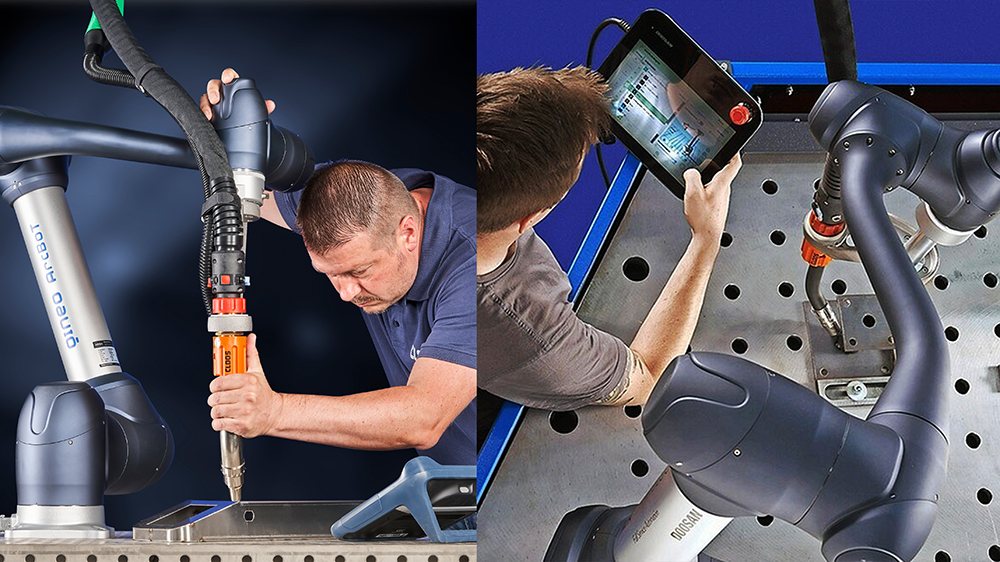
What Drives ROI in Robotic Welding for Metalworking?
A welading robot improves ROI by lowering your overall welding cost while expediting product shipping. To be a profitable decision, deploying automated welding machines must improve your system's performance in multiple ways:
· Scrap reduction
· Rework reduction
· Faster cycle time
· Extended uptime
· Labor management
By combining these factors, automated welders make your factory more profitable. Lower material cost through reduced waste and rework, increasing line speed and availability, and the ability to reposition your human workforce toward remote welding result in ROI that adds up.
Modern robotic welding systems also use advanced motion and force-control technologies to maintain consistent weld quality across complex surfaces and geometries, helping manufacturers sustain productivity even when parts vary in shape or thickness.
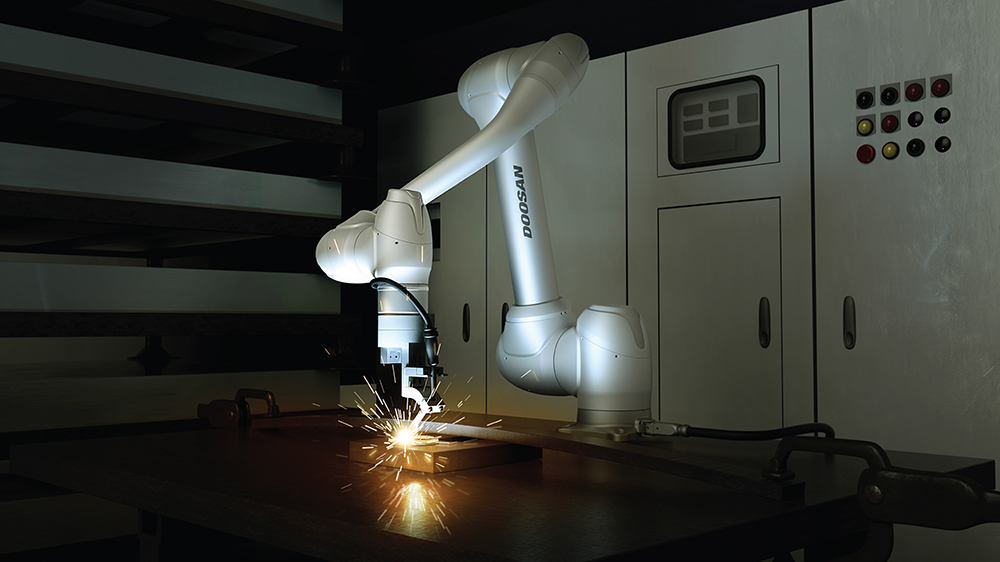
What Are the Benefits of Robot Welding?
The main benefits of robot welding include higher, more predictable output and more consistent quality that directly support better ROI. You get more good parts out of the same footprint and use your welding talent more effectively across the jobs that matter most.
Key benefits and efficiency gains include:
· Higher throughput - Stable cycle times and faster travel speeds improve parts per shift.
· Better quality - Consistent parameters reduce defects and improve bead appearance.
· Less scrap and rework - Fewer weld errors mean less grinding, re-welding, and material loss.
· More productive labor - Operators focus on setup, programming, and inspection instead of repetitive torch work.
· Improved uptime and tracking - Automated cells provide more arc-on time and clearer production data.
Automated welding machines deliver stable bead profiles that support tighter customer specifications, reducing variation across operators or shifts. Through configuration, you can set the welding machine automatic task processing to include tracking for uptime, deposition rates, and fault codes. The Society of Manufacturing Engineers (SME) highlights this combination of quality and throughput.
If you want to see how this looks in real collaborative cells, The Ultimate Solution for Advanced Welding Collaborative Applications offers additional insight.
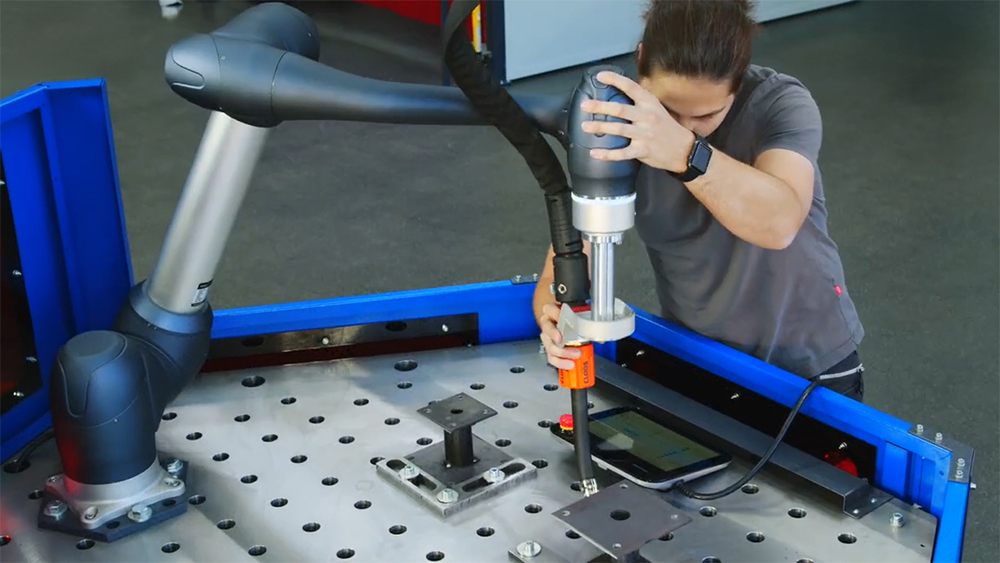
Why Is a Robot More Efficient Than a Human at Welding?
A robot is more efficient because it functions without slowing down, getting tired, or changing technique. Unlike humans, automated welders do not suffer from fatigue or illness that impacts repeatability. You still rely on human welders for process knowledge and judgment, but the robot handles the common, identical operations.
With an automatic welding machine in a dedicated cell, you gain stable travel speed and torch angle, no end-of-shift performance drop, and less variability between operators. Consistency improves yield and makes the robot welding cost much easier to forecast and control.
When Does Cobot Welding Make Sense for Your Shop?
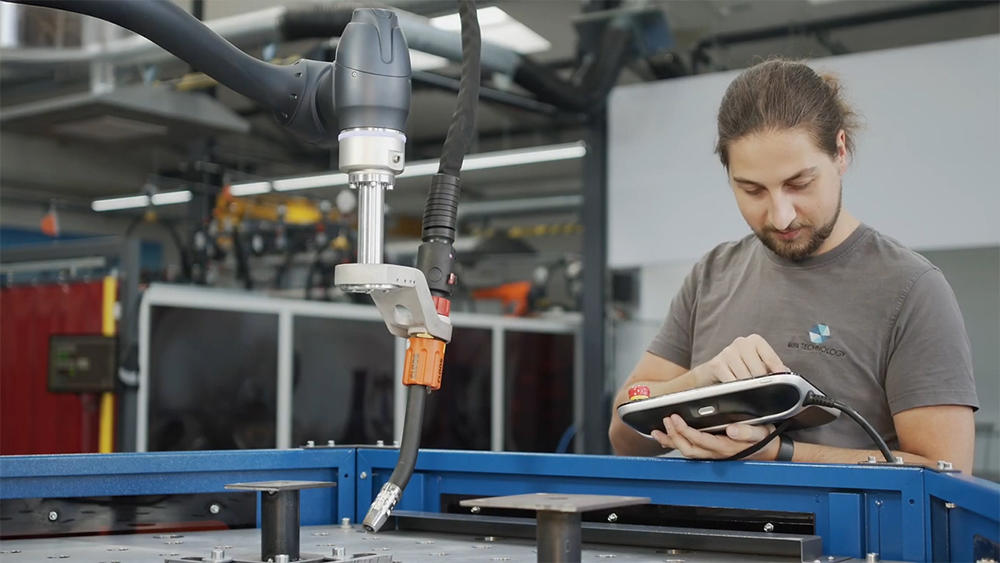
Cobot (collaborative robot) welding makes sense when you need flexibility and fast changeovers more than maximum raw speed. A collaborative welding cell is a practical way to introduce automation gradually.
Cobots welding works well when you need to:
· Re-task one cobot across multiple jobs.
· Share the robot between compatible tasks.
· Adapt quickly to new parts.
· Fit automation into existing layouts.
· Place the cobot closer to operators.
This means a collaborative welding cell can support several product tasks, instead of being locked to one long-running job. metalworking environments for both welding and machine tending tasks, where automation helps
reduce operator fatigue while maintaining consistent weld quality across production runs.
The Why Doosan Cobot overview explains how collaborative platforms are engineered, including safety functions, payload options, and user-friendly interfaces.
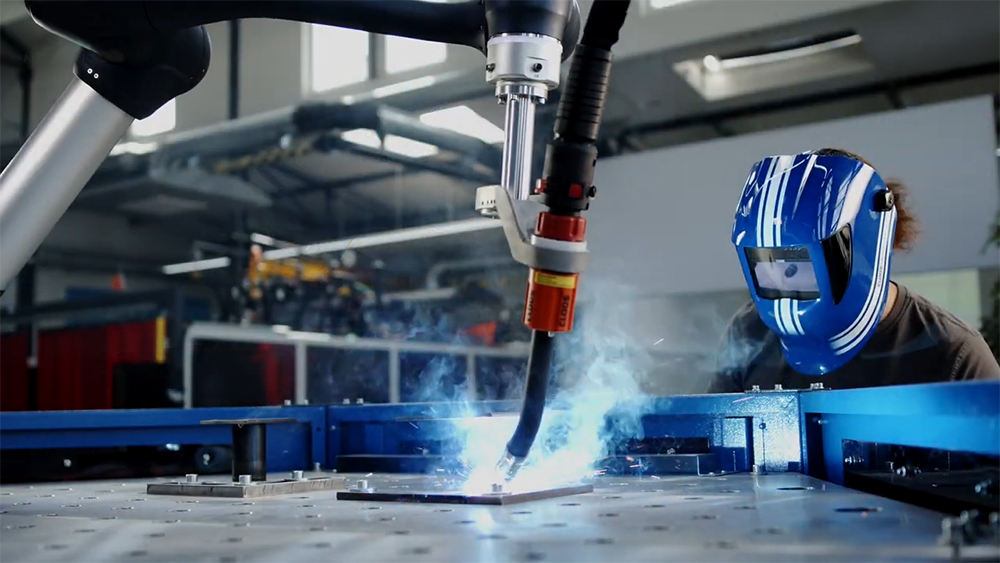
How Should You Evaluate Robot Welding Cost vs Manual Welding?
Evaluate robot welding cost by building a practical business case that compares a manual booth to a robotic welding cell using your own scrap rates, labor costs, and takt times. Key factors include equipment cost and depreciation for robotic welding systems, fixture and tooling costs, labor hours per part, changes in scrap and rework rates, changes in cycle time and throughput.
How Do You Choose the Right Turnkey Welding Solution and Integrator?
When you evaluate robotic welding solutions and integrators, look for proven experience. This includes familiarity with similar systems to yours, safety, and programming. Turnkey welding cells built around Doosan platforms combine the robot, positioners, safety, and process expertise for fully integrated operation.
It doesn't take long to see how a welding robot machine or cobot cell will improve metalworking ROI. We can walk you through ROI levers and total robot welding cost to better illustrate how welding automation affects your
bottom line. Contact us right away to discuss specific details for your factory layout.
